.png)
The Avocado Trade Between the US and Mexico: An Economic Powerhouse
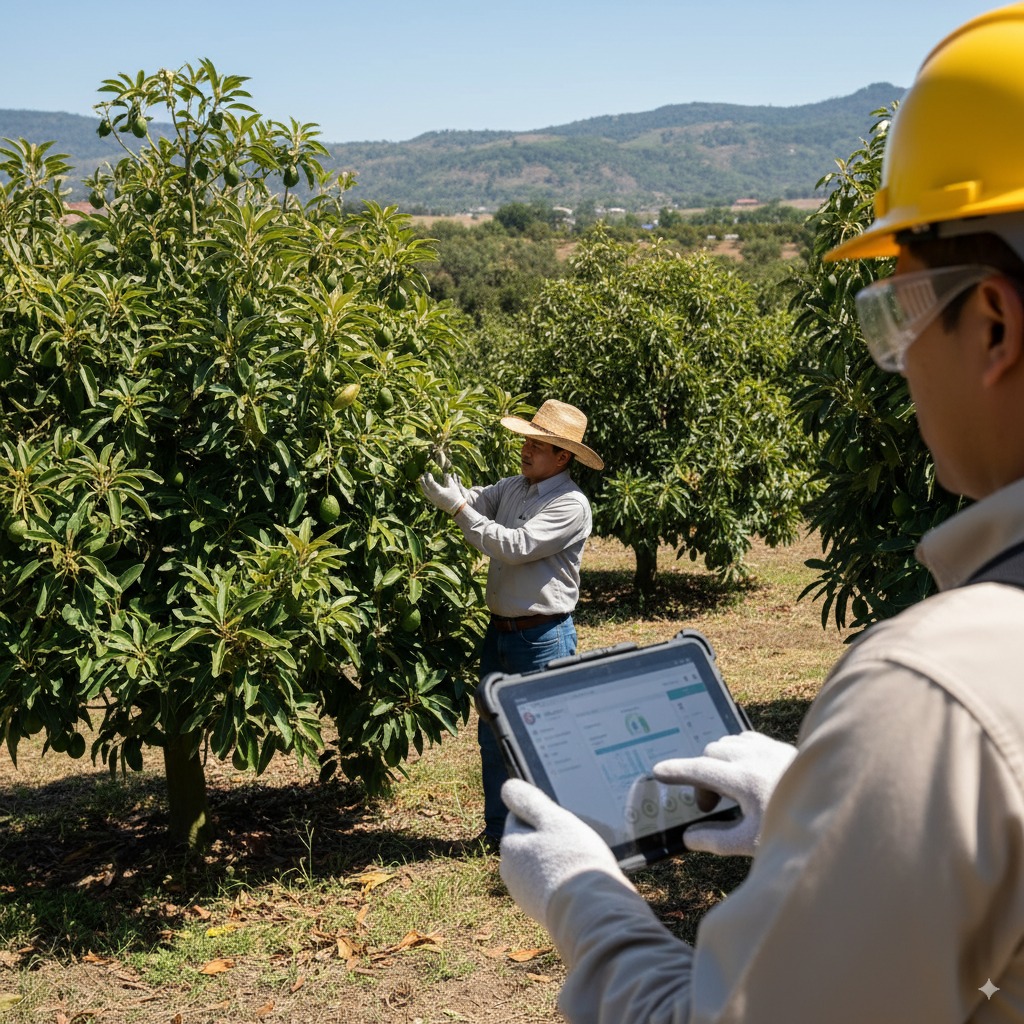
Avocados have become a must in kitchens across the United States, featured in everything from salads and toast to sauces and more. But few realize how deeply the US is tied to Mexico through the trade of this beloved fruit. In this blog post, we’ll explore the technical and legal procedures that enable the avocado trade between the two countries, highlighting the processes that keep avocados flowing across the border.
The US is the world’s largest consumer of avocados, while Mexico is by far the largest producer. Over 80% of avocados consumed in the US are imported from Mexico, thanks in part to the North American Free Trade Agreement (NAFTA) and its successor, the United States-Mexico-Canada Agreement (USMCA), which have helped facilitate cross-border trade.
The avocado trade is a multi-billion-dollar industry. It supports thousands of jobs in both countries, from Mexican farmers and packing houses to US distributors, retailers, and restaurant workers. For Mexican growers, the US market offers an essential source of income, helping to boost local economies in regions like Michoacan, the primary avocado-producing state.
For Mexican avocados to enter the US market, they must comply with strict technical and legal requirements. The process begins with certification by the US Department of Agriculture (USDA) and Mexico’s Secretariat of Agriculture and Rural Development (SADER). Orchards, packing houses, and exporters must meet phytosanitary standards to ensure the fruit is free from pests and diseases. Nevertheless, to say, the quality we all expect from an avocado.
US inspectors are stationed in Mexico to oversee the harvesting and packing process. Each shipment is accompanied by official documentation verifying compliance with US standards. Upon arrival at the border, shipments undergo further inspection and must clear US Customs and Border Protection (CBP) protocols. The United States-Mexico-Canada Agreement (USMCA) provides the legal framework for trade, part of a story of international trade, economic opportunity, and cross-border cooperation, full of culture and flavor ensuring fair trade practices and dispute-resolution mechanisms.
Close coordination between US and Mexican authorities, as well as private industry participants, ensures that the trade remains efficient and compliant with all regulations. Ongoing protocol updates and transparent communication are essential for adapting to new challenges and maintaining steady avocado imports.
The avocado trade is more than just a business—it’s a vital connection between two neighboring countries. As consumers enjoy their guacamole and avocado toast, they are participating in a story of international trade, economic opportunity, and cross-border cooperation full of culture and flavor.
.png)