.png)
Understanding Avocado Varieties in Global Trade
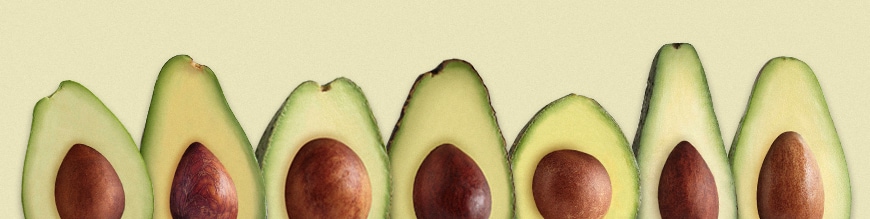
Avocados come in several varieties, each with its own distinctive appearance, flavor, harvest season, and commercial characteristics. Over time, the stories of these varieties have shaped the modern avocado industry and global supply chains. Today, understanding these varieties helps producers, distributors, and buyers select the right fruit for different markets and consumer preferences.
The most famous avocado, and the one you’re most likely to find in supermarkets today, is the Hass. Discovered in the 1920s by California mailman Rudolph Hass, this variety originated from an accidental seedling in his backyard. Its thick, pebbly skin and rich, nutty flesh made it ideal for both long-distance shipping and retail display, helping it become the dominant variety in international avocado trade. Thanks to its durability and flavor, Hass quickly rose to dominance and now accounts for more than 90% of avocados traded globally. Major production regions include Mexico, Peru, Chile, California, and Spain, enabling year-round supply to international markets.
Before Hass took over, the Fuerte avocado reigned supreme. Developed in Mexico and introduced to California in the early 20th century, the Fuerte is appreciated for its smooth, thin green skin and mild, slightly oily flesh. Although its delicate skin and shorter shelf life made it less suitable for global trade, it remains valued in specialty markets and regional supply chains where consumers prefer its smoother texture and milder flavor.
Other varieties have remarkable stories and regional followings. One of the oldest and most culturally significant is the Creole avocado, also known as “criollo,” which traces its roots to the wild avocados of southern Mexico and Central America. Creole avocados are thought to be among the first cultivated by ancient peoples in the region. They have smooth, thin green skin and a higher water content, resulting in a lighter, more refreshing flavor with subtle, citrusy undertones. While their delicate skin limits export potential, these avocados remain important in local markets and traditional cuisine, representing an important part of regional agricultural heritage.
The Bacon avocado, bred by James Bacon in California during the 1950s, is praised for its cold hardiness and lighter taste, making it popular among home gardeners and in cooler climates like Australia. Similarly, the Zutano, a hybrid created in California in the 1920s, is valued not so much for its watery flesh, but for its ability to extend the avocado season and pollinate other trees.
The Pinkerton, first grown on the Pinkerton Ranch in California in the 1970s, is known for its elongated shape, small seed, and high flesh yield, making it a favorite in specialty markets and among growers in California and Israel. The Reed, a giant, round variety with exceptionally creamy flesh, was developed in California in the 1940s and remains a summer treat in local California markets, with additional production in Australia and South Africa.
Beyond the Americas, breeders in Israel developed the Ettinger avocado in the early 20th century, adapting the fruit to local conditions. With its smooth skin and mild flavor, Ettinger is especially popular in Israeli and South African markets, particularly for its early season availability.
While Hass is undeniably the world’s preferred avocado for its taste and resilience, the diversity of other varieties continues to enrich local cuisines and agricultural landscapes. Each type tells a story of innovation and adaptation, ensuring that avocado lovers around the world have something unique to savor.
.png)