.png)
The Origins of Avocados: From Ancient Fruit to Global Favorite
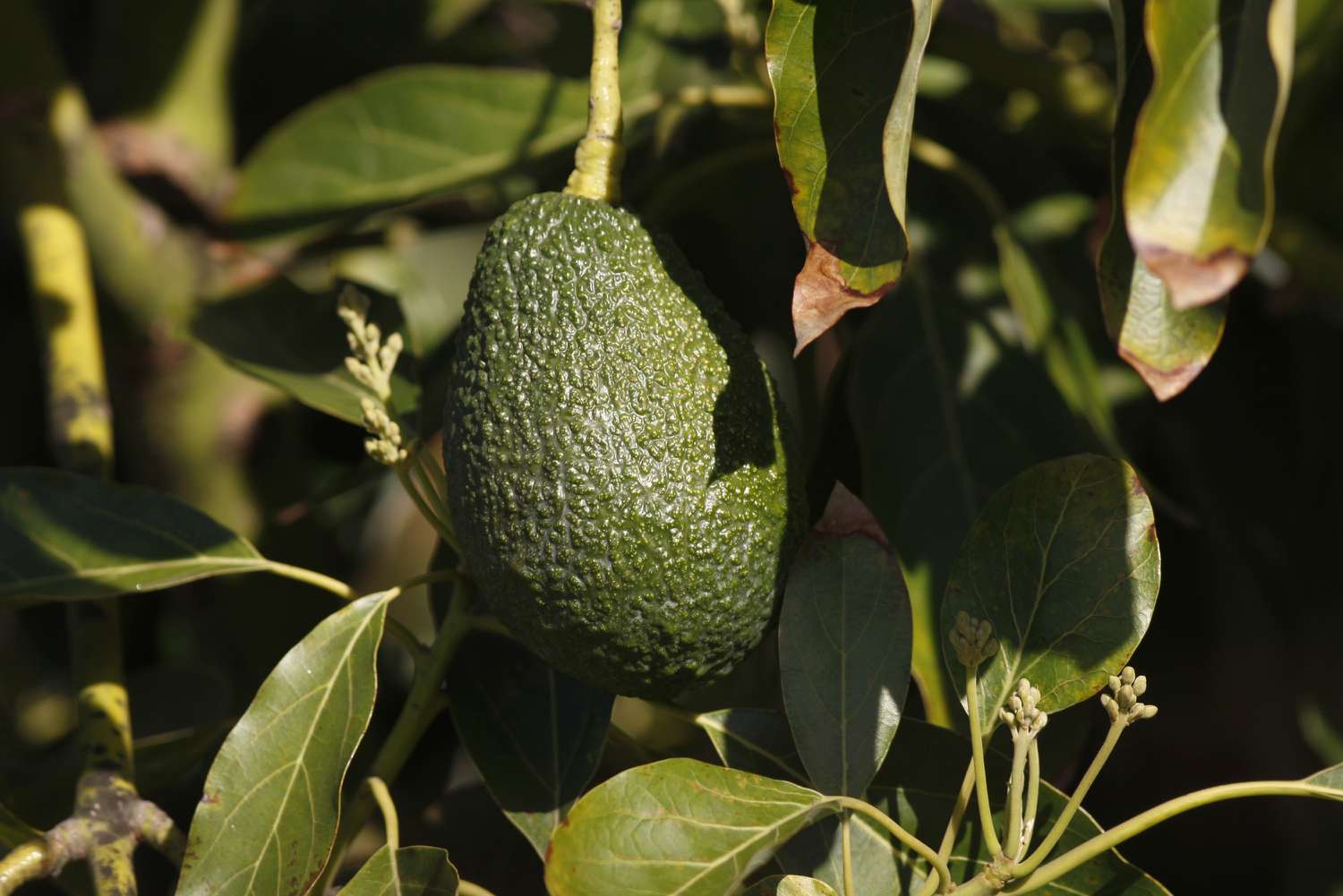
Avocados, with their creamy texture, rich flavor, and abundant nutrients, have become a beloved ingredient in cuisines around the world. But their story begins thousands of years ago in the fertile regions of Mesoamerica, Central America, and South America.
The avocado is believed to have originated in south-central Mexico, with evidence of cultivation dating back to at least 5000 BCE. Archaeological findings show that ancient peoples in what is now Mexico and Guatemala consumed wild avocados and eventually began to domesticate the fruit. The avocado was highly valued by cultures such as the Aztecs, the Maya and the Purepecha, who considered it a symbol of fertility and prosperity.
When the Spanish conquistadors encountered avocados in the 16th century and quickly recognized their unique appeal. They introduced the fruit to other parts of the Americas and the Caribbean. Over time, avocados spread throughout Central and South America, where they adapted to different climates and soils, leading to the development of various local varieties.
It wasn’t until the 19th and 20th centuries that avocados began to gain popularity outside the Americas. Avocado seeds and saplings were introduced to the United States, particularly in California and Florida, where commercial cultivation took off. Today, the Hass variety, developed in California in the 1920s, is the most widely grown and consumed type worldwide.
From ancient Mexican orchards to modern supermarkets, the avocado’s journey is a testament to its enduring appeal and versatility. As research continues to uncover its applications due to its nutrients, the avocado’s story is far from over, since its roots may be ancient and represent the past, but it grows in our present and blooms through our future.
.png)